
An inside look at how Hydro Ottawa replaces electricity infrastructure
March 17, 2026
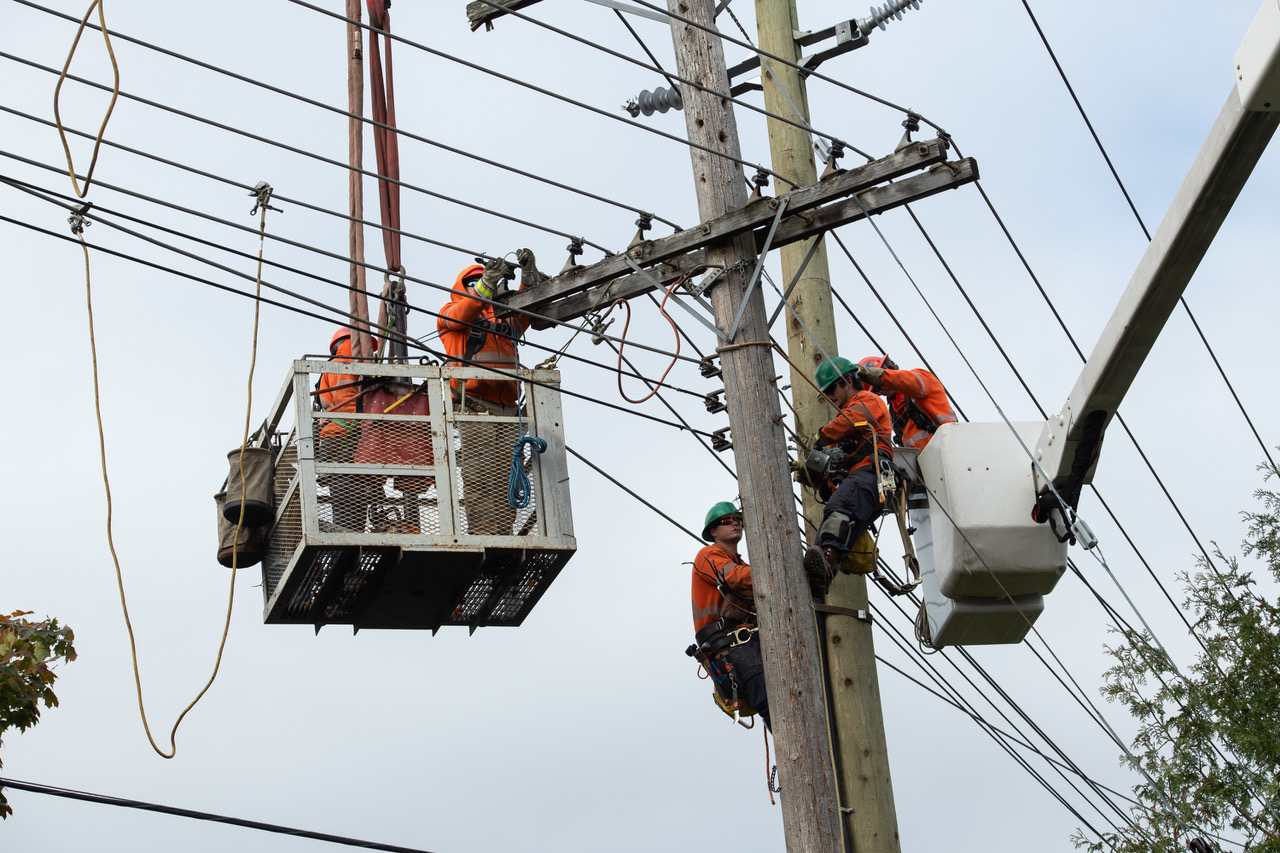
It takes a big electricity grid to meet the energy needs of Hydro Ottawa’s service territory. Across the 1,116 square kilometre area, there are some 38,700 transformers, 50,000 poles, 12,700 kilometres of overhead and underground cables, and more than 80 substations. Large portions of our grid, including many poles and transformers, were installed more than 40 years ago. As those assets get older and their condition deteriorates, they become more likely to fail, which could affect the reliability of the power we deliver. That's why we focus heavily on proactive upgrades and preventative maintenance: to maximize our assets' lifespan, improve system reliability, and reduce unplanned outages.

Why aging infrastructure is a top priority
We know our customers count on us for reliable power. That's why we carefully manage the lifecycle of our distribution network's components — to make sure the electricity keeps flowing without interruption. But as an asset ages and starts to deteriorate, the risk of interruption increases. Wooden poles exposed to the elements degrade over time, similar to a wooden fence you may see in someone’s backyard, becoming less structurally strong. Similarly, years of exposure to moisture and severe weather can cause transformers to corrode, potentially causing them to fail.
Today, about 54 per cent of our assets have reached the end of their typical useful life (TUL): the expected duration that an asset can reliably operate before it requires replacement or refurbishment. By 2030, that number is estimated to reach 67 per cent — unless we take action now.
Proactive upgrades informed by data
Unfortunately, it’s impossible to replace every deteriorating asset at once. The cost would be too high, and sourcing the labour and materials required for such an undertaking would be unrealistic, not to mention the massive disruption to businesses and residents. Instead, through our testing, inspection and maintenance programs, we continuously assess which assets need replacement now and which ones can wait, prioritizing those that present the highest risk to service reliability, safety and the environment.
Certain assets have a longer TUL than others, so they may be old but still working just fine. For that reason, we focus more on an asset’s overall condition and expected remaining life, using data to calculate what we call its “health index.” The health index helps us prioritize intervention strategies and determine whether an asset replacement is necessary.
Each asset type is evaluated differently, using assessments like visual inspections, electrical testing or infrared scans. We also take into consideration how an asset is used and the environment it’s located in to determine its likelihood of failure and the potential grid impacts if it were to fail. Taking all of those factors into consideration, the asset is assigned a “risk score,” which is used to help determine where it lands on the health index. Those that score the lowest on the health index — classified as “poor” or “very poor” condition — pose a higher risk of failure and may need to be replaced sooner.
Challenges and opportunities of asset replacement
Replacing electricity infrastructure isn’t easy. The process involves finding the right balance between urgency and pace for asset replacement, to ensure we address the most critical needs promptly, while also carefully managing the impacts on our customers.
The biggest challenge is the location of the work. It’s one thing to put up new infrastructure when an empty field is being converted into a subdivision. But when we come back decades later to do repairs or replacements, we may be working in somebody’s backyard.
So we use specialized equipment like cranes to handle taller or heavier poles, especially in tight spaces. For excavations, we use trucks that can dig precise holes using high-pressure water and vacuum technology, which is less disruptive than traditional digging. Replacing poles on busy street corners involves extensive planning and coordination with the municipality to minimize disruption caused by road closures and planned outages. This is also true for underground cable replacement, which often requires access through residential properties, so clear communication with customers is key.
When we replace deteriorated assets for new ones, we have the opportunity to enhance its capabilities with technologies that weren’t available a decade ago. For example, installing smart sensors provides us with real-time data on the grid's status. When identifying assets for replacement, we consider multiple options while forecasting long-term grid trends to ensure new installations remain viable and won’t become obsolete too quickly.
Preventative maintenance to extend asset lifespans
But what about the assets that score higher on our health index? For those that aren’t yet a priority for replacement, preventative maintenance is essential to maximizing their TUL — and to keep our existing infrastructure operating safely and effectively.
Preventative maintenance is what stops minor issues from becoming major problems. Some asset types require regular maintenance. Others are maintained after a certain number of operations to ensure they keep working as designed. This can include mechanical activities like cleaning, tensioning, tightening, calibrating and realigning various components. Our annual insulator washing program, for instance, targets areas near major highways where winter road salt can lead to accelerated corrosion. Another example is installing animal guards to prevent birds and squirrels from nesting or foraging near electrical equipment.
Tree trimming is another important maintenance activity. Regular trimming prevents branches from interfering with power lines, while removal may be necessary for trees at risk of falling, which could lead to outages or safety hazards, especially during storms.
We recently adopted satellite imaging technology to streamline tree management. It scans the grid twice per year, identifying high-risk areas as well as potentially dead/dying trees by analyzing their chlorophyll levels under infrared light. This not only optimizes our trimming cycle but also highlights environmental patterns, like stress caused by pests or extreme weather, providing a clearer picture of potential challenges across the grid.
Building a stronger, more reliable grid
While preventative maintenance can help extend the life of an asset, eventually, replacement will be necessary.
To ensure a sustainable energy future, the decisions we make about our infrastructure must be backed by strategic planning and investment. The combination of critical infrastructure renewal and the need to meet surging electricity demand will require a scale of investment surpassing everything achieved during the grid’s first 100 years.
Ultimately, this unprecedented investment in modernizing our essential infrastructure is how we plan to power a brighter, more reliable future.